
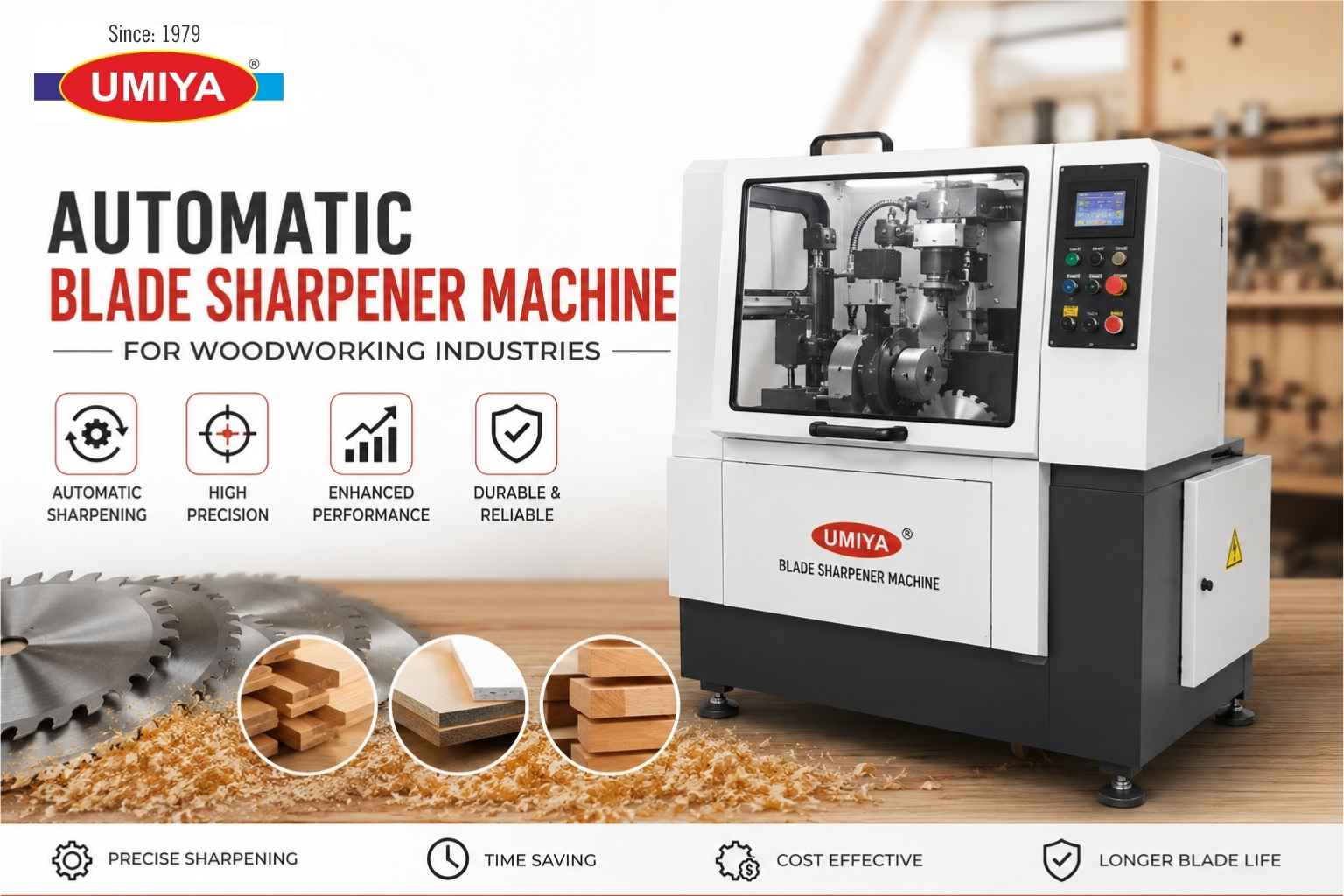
In today’s highly competitive woodworking industry, precision, efficiency, and productivity play a crucial role in determining business success. Whether you operate a sawmill, furniture manufacturing unit, pallet production facility, or wood processing plant, the condition of your cutting blades directly affects product quality and operational costs. As a result, investing in an Automatic Blade Sharpener Machine has become essential for businesses aiming to maximize output while maintaining superior cutting performance.
Over time, saw blades lose their sharpness due to continuous cutting, friction, and exposure to tough wood materials. Consequently, dull blades reduce cutting accuracy, increase power consumption, create excessive wood waste, and slow down production. However, modern blade sharpening technology offers a practical solution. An advanced Blade Sharpener Machine restores blade sharpness with exceptional precision, ensuring consistent performance and extended blade life.
Moreover, automated sharpening equipment eliminates the challenges associated with manual sharpening methods. Instead of relying on operator skills, woodworking industries can achieve accurate and repeatable sharpening results with minimal downtime. Therefore, businesses can improve efficiency while significantly reducing maintenance costs.
This comprehensive guide explores everything you need to know about automatic blade sharpening machines, including their features, benefits, applications, working principles, and how they contribute to improved productivity in woodworking industries.
What is an Automatic Blade Sharpener Machine?
An Automatic Blade Sharpener Machine is a specialized industrial machine designed to sharpen saw blades, cutting blades, band saw blades, circular saw blades, and other woodworking cutting tools with high precision. Unlike conventional sharpening methods, automated systems use advanced controls and grinding mechanisms to restore blade edges consistently.
These machines are engineered to maintain optimal blade geometry, ensuring smooth cutting performance and prolonged blade life. Additionally, they reduce manual intervention and deliver accurate sharpening results across multiple blade types.
Why Sharp Blades Matter in Woodworking Operations
Sharp blades significantly influence production quality. When blades become dull, several operational problems emerge:
- Rough and uneven cuts
- Increased material wastage
- Higher energy consumption
- Reduced production speed
- Excessive machine vibration
- Increased maintenance costs
Therefore, regular blade sharpening helps maintain cutting accuracy while improving operational efficiency.
Common Industries Using Blade Sharpener Machines
Several industries depend on blade sharpening equipment, including:
- Wood processing plants
- Furniture manufacturing units
- Sawmills
- Plywood industries
- Wooden pallet manufacturing facilities
- Timber processing industries
- Carpentry workshops
- Wood panel production plants
As these industries rely heavily on cutting precision, blade maintenance becomes a critical component of daily operations.
Key Features of an Automatic Blade Sharpener Machine
Modern Blade Sharpening Machines incorporate advanced technology to deliver exceptional results. Consequently, businesses can achieve consistent blade performance while reducing labor requirements.
1. Automatic Feed Mechanism
The automatic feed system moves the blade through the sharpening process without requiring constant operator involvement. As a result, productivity improves significantly.
2. Precision Grinding Technology
Advanced grinding wheels ensure uniform sharpening along the entire blade edge. Therefore, every tooth receives consistent treatment.
3. Adjustable Sharpening Parameters
Operators can customize:
- Grinding angles
- Feed speed
- Sharpening depth
- Tooth profile settings
This flexibility allows the machine to handle different blade specifications efficiently.
4. High-Speed Operation
Modern sharpening equipment performs sharpening tasks quickly while maintaining excellent accuracy. Consequently, production downtime decreases substantially.
5. User-Friendly Control Panel
Digital controls simplify machine operation. Therefore, operators can manage sharpening cycles with minimal training.
How an Automatic Blade Sharpener Machine Works
Understanding the working process helps businesses appreciate the value of automated blade sharpening technology.
1. Blade Inspection and Setup
Before sharpening begins, operators inspect the blade and mount it securely within the machine. Proper alignment ensures accurate grinding results.
2. Automatic Positioning
The machine automatically positions the blade according to the selected sharpening parameters.
3. Precision Grinding Process
A grinding wheel removes microscopic amounts of material from the blade edge. Consequently, the blade regains its original sharpness and cutting geometry.
4. Tooth-by-Tooth Sharpening
The machine systematically sharpens each tooth with exceptional consistency. Therefore, cutting performance remains uniform across the entire blade.
5. Final Quality Verification
After sharpening, operators inspect the blade to verify edge quality and sharpening accuracy.
Benefits of Using an Automatic Blade Sharpener Machine
The adoption of automated sharpening technology offers numerous advantages for woodworking industries.
1. Improved Cutting Accuracy
Sharp blades produce cleaner and smoother cuts. As a result, product quality improves significantly.
2. Increased Productivity
Because sharpened blades cut more efficiently, production speed increases while reducing machine strain.
3. Reduced Material Waste
Dull blades often damage wood surfaces and create unnecessary waste. However, properly sharpened blades minimize material loss.
4. Extended Blade Lifespan
Regular sharpening helps preserve blade integrity. Consequently, businesses spend less on blade replacements.
5. Lower Energy Consumption
Sharp blades require less cutting force. Therefore, machinery consumes less power during operation.
Automatic Blade Sharpener Machine Applications in Woodworking Industries
Woodworking businesses use blade sharpening technology across various production processes.
1. Sawmill Operations
Sawmills process large volumes of timber daily. Therefore, maintaining sharp blades becomes essential for maximizing throughput.
2. Furniture Manufacturing
Furniture manufacturers require precise cuts to achieve superior craftsmanship and product quality.
3. Wooden Pallet Production
Pallet manufacturing facilities depend on accurate cutting tools for efficient mass production.
4. Plywood and Veneer Industries
These industries rely on consistent cutting performance to produce uniform wood sheets.
5. Timber Processing Plants
Large-scale timber operations use blade sharpening equipment to maintain uninterrupted production.
Choosing the Right Blade Sharpener Machine for Your Business
Selecting the appropriate machine requires careful evaluation of several factors.
1. Blade Type Compatibility
Different industries use various blade designs. Therefore, ensure the machine supports your specific blade types.
2. Production Volume Requirements
High-volume operations require machines capable of handling continuous sharpening workloads.
3. Automation Level
Fully automatic systems provide maximum efficiency and reduce operator dependency.
4. Grinding Accuracy
Precision directly affects blade performance. Consequently, businesses should prioritize machines with advanced grinding technology.
5. Maintenance Requirements
Choose equipment that offers simple maintenance procedures and easy access to replacement components.
Blade Maintenance Best Practices
While automatic sharpening equipment delivers outstanding results, proper maintenance practices further enhance blade performance.
1. Schedule Regular Inspections
Routine inspections help identify wear before performance deteriorates significantly.
2. Clean Blades Frequently
Wood residue and contaminants can affect cutting efficiency. Therefore, regular cleaning remains important.
3. Store Blades Properly
Proper storage prevents damage and preserves blade condition.
4. Monitor Cutting Performance
Sudden declines in cutting quality often indicate sharpening requirements.
5. Follow Manufacturer Guidelines
Always follow recommended maintenance schedules and operating procedures.
Future Trends in Blade Sharpening Technology
Technological advancements continue transforming woodworking machinery.
1. Smart Automation
Modern machines increasingly incorporate intelligent control systems that optimize sharpening performance automatically.
2. Digital Monitoring Systems
Real-time monitoring helps operators track blade conditions more accurately.
3. Enhanced Grinding Technologies
Advanced grinding materials improve sharpening precision and efficiency.
4. Industry 4.0 Integration
Connected manufacturing systems allow businesses to monitor machine performance remotely.
5. Predictive Maintenance Features
Future machines will identify sharpening requirements before performance issues occur.
Why Woodworking Industries Are Switching to Automatic Blade Sharpening Solutions
As competition intensifies, woodworking companies seek solutions that improve efficiency and reduce operational costs. Consequently, automatic blade sharpening systems have become a preferred choice across the industry.
Businesses recognize that maintaining blade performance directly impacts productivity, profitability, and customer satisfaction. Furthermore, automation reduces dependency on skilled manual sharpening while delivering consistent results.
Because production demands continue increasing, investing in reliable sharpening technology provides a strategic advantage. Therefore, companies that adopt advanced sharpening solutions often achieve higher productivity and lower operating expenses.
Frequently Asked Questions About Blade Sharpener Machine
A Blade Sharpener Machine is industrial equipment designed to restore the sharp cutting edge of saw blades, band saw blades, and woodworking blades. It uses precision grinding technology to improve blade performance and cutting accuracy.
An Automatic Blade Sharpener Machine helps maintain sharp blades, reduces wood waste, improves cutting quality, and increases overall production efficiency in woodworking operations.
Most Blade Sharpener Machines can sharpen band saw blades, circular saw blades, carbide-tipped blades, wood cutting blades, and industrial cutting tools used in woodworking industries.
The sharpening frequency depends on usage, wood type, and operating conditions. Heavy industrial users often sharpen blades after a specific number of cutting hours to maintain optimal performance.
Key benefits include improved cutting precision, longer blade life, reduced downtime, lower maintenance costs, enhanced productivity, and consistent sharpening results.
No FAQ found.
Sharp blades cut faster and more accurately, allowing woodworking businesses to reduce production delays, minimize material wastage, and achieve higher output.
Yes. Regular sharpening removes minor wear before it becomes severe, helping blades maintain their cutting efficiency and significantly extending their service life.
Blade Sharpening Machines are widely used in sawmills, furniture manufacturing units, wooden pallet industries, plywood factories, timber processing plants, and woodworking workshops.
Important factors include blade compatibility, sharpening accuracy, automation level, machine durability, production capacity, ease of maintenance, and after-sales support.
Investing in an Automatic Blade Sharpener Machine helps reduce operational costs, improve product quality, maximize blade performance, and increase long-term profitability for woodworking industries.
No FAQ found.
Conclusion : Benefits of Investing in a Blade Sharpener Machine
An Automatic Blade Sharpener Machine is no longer a luxury for woodworking industries—it has become a necessity. By maintaining optimal blade sharpness, these machines improve cutting accuracy, increase production efficiency, reduce material waste, and extend blade life.
Moreover, automated sharpening technology ensures consistent results while minimizing downtime and labor requirements. Whether you operate a sawmill, furniture manufacturing unit, pallet production facility, or timber processing plant, investing in a high-quality Blade Sharpener Machine can significantly enhance operational performance.
As woodworking industries continue embracing automation and precision manufacturing, blade sharpening technology will play an increasingly important role in achieving sustainable growth. Therefore, businesses that prioritize blade maintenance today will enjoy improved productivity, reduced costs, and a stronger competitive position in the future.
Choose the Right Sharpening Solution for Your Woodworking Business
Umiya Engineering Works offers a range of woodworking and sawmill machinery, including its Automatic Band Saw Blade Grinder (UEW-AGO), TCT Band Saw Blade Grinder, Automatic Teeth Setter, Bench Grinder, and related equipment. Its Automatic Band Saw Blade Grinder is designed for consistent tooth sharpening and includes adjustable support for different blade sizes.
Businesses looking for a reliable Blade Sharpener Machine should compare their blade specifications and production requirements with the machine’s capabilities before making a decision.
For professional woodworking machinery solutions, contact Umiya Engineering Works at +91 9825435242 or info@umiyagroup.com.